
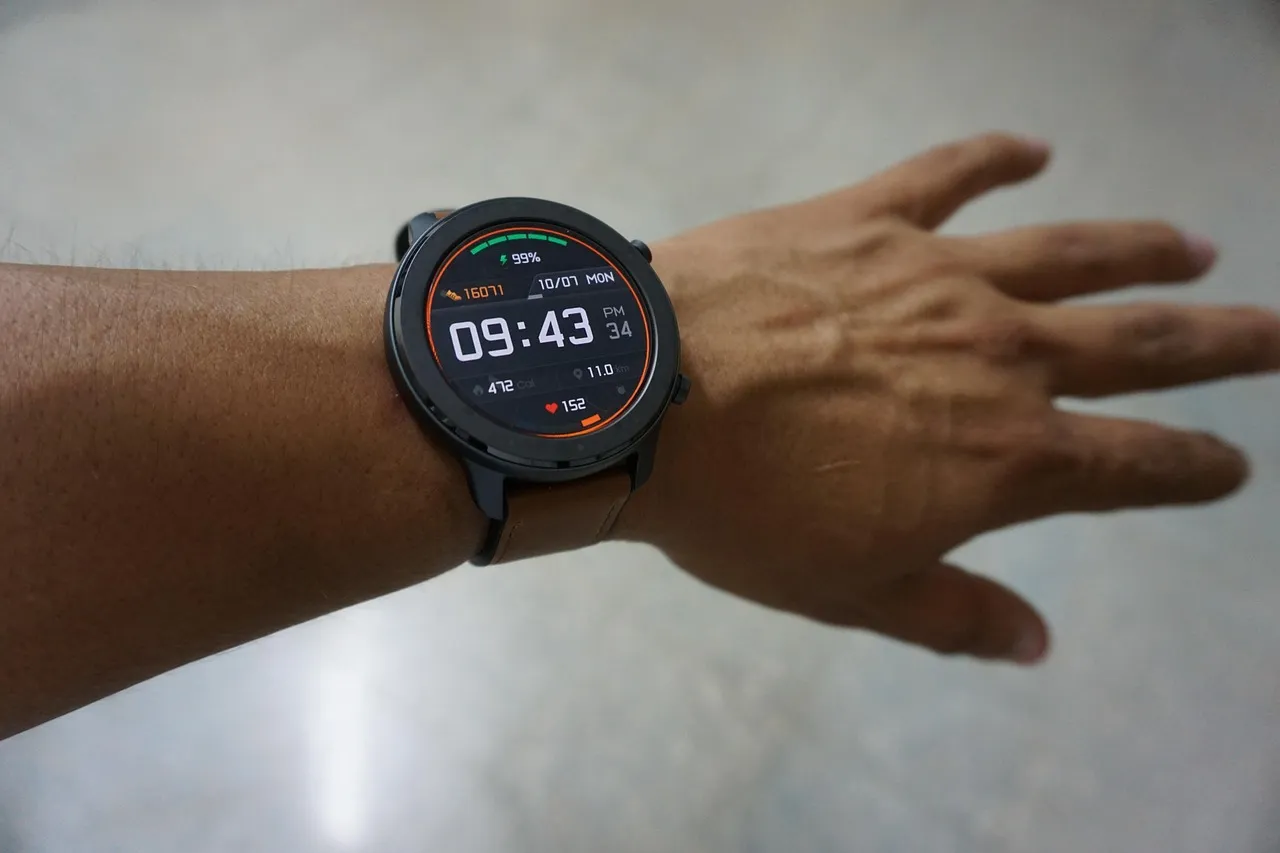

Wearable technology encompasses devices such as accelerometers, GPS trackers, and physiological monitors that collect data on various performance metrics. In strength and conditioning, these tools provide insights into workload, movement patterns, and physiological responses, facilitating tailored training programs.
Integrating wearable technology into sports performance training has revolutionized how athletes and teams monitor performance, enhance training efficiency, and reduce injury risks. These devices offer real-time data, enabling coaches and athletes to make informed decisions that optimize training outcomes.
However, the task of “making informed decisions” is easier said than done. With the widespread use of wearables, sports performance professionals can find themselves drowning in data. It has become increasingly difficult to separate the signal from the noise amongst all the metrics that can be monitored.
What metrics should you pay attention to? What are the thresholds for these metrics that merit an intervention? And how do you reliably execute timely protocols as all this data comes in? If we don’t ask these questions and find the right answers, all our data collection is a waste of time.
The effective use of wearable technologies in sports performance generally involves a few basic principles:
Define the outcome you want (better performance, fewer injuries, etc.)
Determine what data points will help you optimize for those outcomes
Locate the appropriate tools that will help you measure those data points
Establish and execute the appropriate interventions based on your data
What Are the Benefits of Wearable Technology?
Wearable technology offers numerous advantages for sports performance professionals and athletes. Some of the key benefits include:
Injury Prevention: By monitoring workload, fatigue, and biomechanics, wearables help identify potential injury risks before they become serious.
Performance Optimization: Real-time feedback allows athletes and coaches to adjust training loads and techniques to maximize efficiency.
Recovery Monitoring: Devices tracking heart rate variability (HRV), sleep patterns, and muscle oxygenation can guide recovery strategies.
Objective Decision-Making: Data-driven insights replace guesswork, leading to more precise and individualized training programs.
Enhanced Athlete Buy-In: When athletes see objective improvements in their performance metrics, they are more likely to engage with training and recovery programs.
What Are the Most Relevant Data Points from Wearables?
While wearables can collect vast amounts of data, not all metrics are equally useful. The most relevant data points often depend on the sport and specific performance goals. However, common key metrics include:
Workload and Fatigue: GPS and accelerometer data help track external and internal workloads, aiding in load management.
Heart Rate and HRV: These physiological markers offer insights into recovery status and readiness to train.
Sleep Quality: Sleep trackers provide valuable data on duration and quality, which are crucial for recovery and performance.
Speed, Acceleration, and Deceleration: Particularly important for field and court sports, these metrics help assess movement efficiency and conditioning levels.
Force and Power Output: Devices like force plates and wearable strength sensors provide valuable feedback on strength and explosiveness.
Which Wearable Technologies Should You Use?
Choosing the right wearable technology depends on your specific needs and the sport in question. Here are some of the most commonly used categories of wearables in sports performance:
GPS Trackers and Accelerometers: Used for measuring external load, movement efficiency, and sprinting metrics. Popular options include Catapult, STATSports, and Polar GPS trackers.
Heart Rate and HRV Monitors: Devices such as Whoop, Oura Ring, and Polar H10 provide insights into cardiovascular response and recovery status.
Wearable Strength and Force Sensors: Force plates, Velocity-Based Training (VBT) devices (e.g., Push Band, GymAware), and EMG sensors help measure strength and power output.
Sleep and Recovery Trackers: Oura Ring, Garmin, and Fitbit devices monitor sleep duration and quality, aiding in recovery strategies.
Smart Insoles and Biomechanics Wearables: Devices like Plantiga and VERT provide data on ground contact time, jump height, and gait efficiency.
What Should You Do with Data from Wearable Devices?
Collecting data is only the first step. The key to maximizing the benefits of wearable technology lies in effectively analyzing and applying the insights to training and performance programs. Here’s how to do it:
Establish a Baseline: Before making decisions, collect baseline data to understand normal values for each athlete.
Identify Actionable Trends: Focus on changes over time rather than isolated data points. Are workloads consistently high before injuries? Is HRV declining as fatigue accumulates?
Implement Adjustments: Modify training loads, recovery protocols, or movement mechanics based on data insights.
Communicate with Athletes: Ensure that athletes understand their data and how it influences their training and recovery.
Integrate with Coaching Decisions: Use data as part of a holistic approach that includes subjective feedback, coach observations, and sport-specific demands.
Conclusion
Wearable technology has transformed sports performance training by providing unprecedented insights into athlete workload, physiology, and biomechanics. However, simply collecting data is not enough. The real value lies in understanding which metrics matter, how to interpret them, and how to take actionable steps to improve performance and reduce injury risk.
By integrating wearable data with evidence-based training strategies, coaches and sports performance professionals can create more effective, individualized programs that help athletes reach their full potential.
Sources
Exploring the Role of Wearable Technology in Sport Kinematics and Kinetics
Advanced Biomechanical Analytics: Wearable Technologies for Monitoring Sports Performance
Technology Innovation and Guardrails in Elite Sport: An exploration of how wearable sensor technologies monitor, analyze, and transmit data in real-time, impacting the sporting industry.
Wearable Technology in Sports Medicine Clinics: Guidelines on the role of wearable technology in return-to-play and performance protocols for athletes following a COVID-19 diagnosis.