
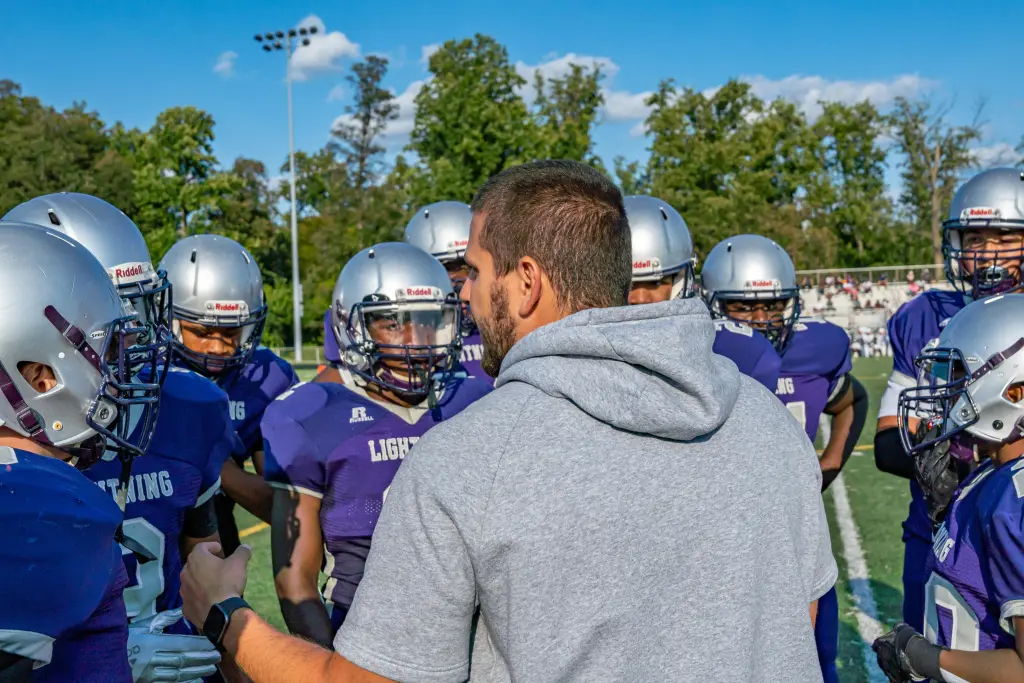

Working as a sports performance coach at the high school level is far more than designing training programs and building physical qualities. It is about guiding young athletes through one of the most pivotal times in their lives, where every choice, influence, and experience contributes to shaping their identities and character. High school athletes are at a unique crossroads of physical growth, emotional development, and personal discovery. During these formative years, they are influenced by countless factors such as family, social media, academic pressures, and their physical changes. As a coach, you play a crucial role in helping them navigate this journey with confidence and integrity.
The job of a high school coach comes with incredible responsibilities and an opportunity to impact students beyond the sports’ surface or weight room. You are not only teaching skills for athletic development but also instilling values and habits that will serve them throughout their lives. You are helping them learn to set goals, build discipline, and develop a strong work ethic. They are discovering resilience and teamwork while under your guidance, experiencing the ups and downs that come with striving for success in sports and life.
In addition, high school athletes often bring a range of training experience, background, and maturity to the table. Some may have never lifted a weight, while others may have had years of sports participation. Some may come from challenging home environments, while others have stable support systems. You must meet each athlete where they are, understanding their unique needs and helping them develop the confidence to grow. Beyond the technicalities of physical training, your ability to build relationships, foster trust, and encourage a growth mindset will shape how they see themselves and the possibilities for their future.
This is why being a well-rounded, compassionate, and knowledgeable coach is essential to success at the high school level. You are not only preparing young athletes for competition, but also empowering them to lead healthier, more resilient lives.
Understanding and Teaching Students with Low Training Age
Low training age means that many high school athletes have little to no experience with structured training programs. While collegiate or professional athletes often come into a program with years of foundational work, high school students are often new to the basic principles of strength and conditioning. This lack of experience not only affects the way exercises are introduced and explained, but also requires coaches to set firm groundwork for proper technique, safety, and body awareness.
With a low training age, athletes may not yet have the motor skills or muscle memory that experienced athletes rely on, making it necessary to approach exercise selection with extra care. Starting with simpler, foundational movements such as bodyweight exercises, mobility work, and basic lifts can allow these athletes to focus on mastering form and technique before progressing to more complex or heavier lifts. This progression is essential. Not only to avoid injury but also to build their confidence and enjoyment of training, laying a strong base for more advanced techniques in the future.
Language and communication also play a significant role when working with athletes at low training age. Technical terminology and complex cues that might be second nature to experienced athletes can be overwhelming or confusing for beginners. For example, phrases like "engage your core" or "hip hinge" might need to be broken down further to something more accessible like “tighten your stomach muscles” or “sit back like you’re sitting in a chair.” Using clear, simple language, and providing frequent demonstrations helps make instructions more relatable and increases comprehension. Visual aids, hands-on guidance, and positive reinforcement can also help athletes build a mental library of movements and understand their bodies better.
Additionally, coaches working with low training age athletes need to teach broader concepts of training, including why each exercise matters, how it benefits their sport, and how various parts of a program contribute to overall athletic performance. By giving athletes a sense of the “why” behind their workouts, they are more likely to feel motivated and take an active interest in their development. This foundational education is critical for long-term success, as it helps these young athletes understand the role of structured training in achieving their goals, making them more engaged in the process and more likely to build a lifelong appreciation for fitness and self-improvement.
Managing the Influence of Social Media
Social media has a profound impact on teenagers’ lives, influencing everything from self-image to lifestyle choices, and for high school athletes, it often shapes their perceptions of fitness and performance. With constant exposure to influencers, fitness models, and professional athletes on platforms like Instagram, TikTok, and YouTube, young athletes frequently encounter content that can set unrealistic or even harmful expectations. This exposure might include flashy, high-intensity workouts, extreme diets, and sometimes questionable training practices that promise quick results or “secret” methods for achieving peak performance. Without proper guidance, these teens may feel pressure to imitate what they see online, despite not having the background knowledge or experience to recognize safe practices.
As a coach, it is critical to help them separate facts from fiction and provide them with evidence-based, safe practices tailored to their developmental needs. Part of this involves teaching them that fitness and performance are long-term pursuits, built on consistent, foundational work rather than trendy shortcuts. You can help them understand that many social media posts are curated and do not accurately reflect what is safe or effective for them at their stage of development. For example, young athletes might see an influencer promoting a specialized supplement or doing heavy, complex lifts with poor form, and assume they should do the same to achieve comparable results. It is your role to educate them about the dangers of jumping into advanced training or nutrition without proper preparation and guidance.
To help them navigate the overwhelming amount of fitness content online, encourage a critical approach to social media, explaining that not everything online is appropriate or based on scientific evidence. Teaching them to question claims, ask “why” behind a given method, and recognize red flags in advice like dramatic before-and-after transformations, vague claims of “quick fixes,” or endorsements of products with exaggerated promises can foster healthier social media habits. Show them that safe and effective training methods are rarely as glamorous as social media might portray, but they deliver results that are sustainable, avoid injury, and support their athletic journey.
It can also be helpful to guide them toward credible sources of fitness information. Encourage them to follow professional organizations or reputable coaches and athletes who prioritize safe, scientifically backed training practices. When they see those trusted sources advocate for slow, steady progress and sound technique, they are more likely to embrace these principles themselves.
The influence of social media also offers an opportunity for positive messaging around body image and performance. High school athletes may feel pressure to look a certain way, often influenced by idealized and edited images on social media. As their coach, you can reinforce the message that fitness is about feeling strong, healthy, and capable rather than fitting a specific aesthetic ideal. Help them shift the focus away from appearance and onto goals that emphasize health, functionality, and personal progress.
By providing high school athletes with tools to navigate social media content critically, reinforcing the value of safe, evidence-based training, and promoting a healthy mindset, you help them develop a balanced approach to fitness that can protect them from the unrealistic and potentially harmful pressures of social media. In doing so, you not only support their athletic development but also contribute to their mental well-being and long-term relationship with fitness.
Addressing Home Life and External Influences
High school students come from diverse backgrounds, and their home lives can significantly affect their ability to focus, train, and perform. These young athletes bring more than just physical abilities to practice. They also carry the weight of their personal circumstances, which can vary widely from one athlete to the next. Some students may face challenges like financial difficulties, a lack of family support, or high levels of academic and social stress. Others may be dealing with responsibilities at home, such as caring for siblings or working part-time jobs to help support their families. These stressors can take a toll on their mental and physical well-being, impacting everything from their energy levels to their motivation to participate fully in training.
Understanding these external influences allows coaches to provide a more holistic and compassionate approach to training and support. For instance, if an athlete struggles to meet attendance requirements or shows up visibly tired, it might not be due to a lack of commitment. It could be because they had a late shift at work, are facing family pressures, or stayed up late to complete school assignments. Being sensitive to these factors helps coaches approach athletes with empathy and avoid making assumptions about their dedication or potential. Instead, coaches can create an environment that acknowledges and accommodates the realities of their athletes’ lives, offering flexibility when needed and providing encouragement that builds trust and motivation.
For athletes who may not have strong support systems at home, a coach can become a critical source of guidance and stability. In these cases, a coach’s role extends beyond teaching skills and drills; they become a mentor and a trusted adult who listens, understands, and offers positive reinforcement. This support can be especially impactful during high school, where students are navigating significant emotional and social changes. A coach who invests time in learning about each athlete’s background and treats them with respect can make a profound difference, helping these students develop self-confidence, resilience, and a sense of belonging.
Financial constraints are another common challenge that can impact an athlete’s performance and access to resources. Some athletes may not be able to afford specialized equipment, proper training shoes, or even nutritious food. This lack of resources can influence their training outcomes and overall health. As a coach, recognizing these challenges allows you to find solutions, whether it is connecting athletes with community resources, securing donated equipment, or offering practical advice on nutrition within their means. By proactively addressing these limitations, you ensure that all athletes have a fair chance to succeed, regardless of their financial background.
Academic pressures also weigh heavily on many high school athletes, who are often balancing demanding schedules of classes, homework, and extracurricular activities. The stress of keeping up with grades, preparing for college, and meeting the expectations of teachers, parents, and themselves can lead to burnout. Coaches who recognize the importance of this balance can help their athletes find strategies to manage their time effectively and even adjust training expectations during exam periods or project deadlines. By showing understanding and offering support, you send a message that mental health and academic success are as important as athletic achievements, creating a balanced approach to their high school experience.
Ultimately, taking the time to understand each athlete’s personal circumstances not only enhances your ability to coach them effectively but also fosters a supportive team culture. When athletes feel seen, heard, and respected, they are more likely to feel committed to the program and to each other. By adapting your coaching to address the complexities of each athlete’s life, you build a foundation of trust and connection that goes beyond sports, empowering them to grow both on and off the field. This holistic approach can have a lasting impact, equipping young athletes with resilience, self-confidence, and the tools to face challenges head-on—qualities that will benefit them for years to come.
Teaching Life Skills Beyond Sports
As a high school coach, your role isn’t limited to improving sports performance. You are also responsible for teaching life skills that will help students thrive well beyond their athletic careers. High school is a crucial time for learning core values like responsibility, teamwork, and goal setting, and a great coach can be instrumental in reinforcing these lessons. These young athletes are not just developing physically but are also building character, habits, and mindsets that will shape who they become as adults. The lessons they learn in practice, on the field, and through competition are powerful opportunities for growth and self-discovery, and you, as a coach, have the unique privilege of guiding them through it.
One of the primary life skills that high school athletes develop is responsibility. Showing up consistently, putting effort into practice, and following through on commitments are all habits that translate directly into adult life. When coaches hold athletes accountable for attendance, effort, and discipline, they are teaching them the importance of reliability and self-discipline. High school students, with limited experience balancing multiple priorities, often need guidance on how to stay organized, prioritize tasks, and manage their time effectively. By setting expectations and reinforcing the value of commitment, coaches show athletes that success, whether in sports, school, or work, requires dedication and consistency. This responsibility extends beyond personal commitment. It is about learning how their choices affect the team. This understanding fosters a sense of ownership and maturity, traits that serve athletes in all areas of life.
Teamwork is another fundamental lesson that high school sports naturally cultivate, and it’s an area where coaches can make an enormous impact. In team sports, athletes quickly learn that they need each other to succeed. Coaches can amplify this lesson by creating an environment that emphasizes collaboration, mutual support, and respect. Whether an athlete is a star player or part of the supporting cast, they are taught to value every team member’s contribution. When conflicts arise, coaches can guide athletes on how to communicate effectively, resolve differences, and maintain respect for one another. These experiences teach young athletes the importance of cooperation, empathy, and selflessness. All qualities that are essential in both personal relationships and professional settings. The ability to work effectively with others is one of the most valuable skills they will carry forward, and sports provide a rich environment for practicing and reinforcing this skill.
Goal setting is also central to the high school sports experience, and as a coach, you play a vital role in teaching students how to set, pursue, and achieve meaningful goals. High school athletes may have short-term goals, like improving a specific skill or winning a game, and long-term goals, such as earning a college scholarship or competing at a higher level. By guiding them in setting realistic, attainable goals, you help them understand the value of hard work, patience, and perseverance. When athletes learn to break down larger goals into smaller, actionable steps, they gain confidence and learn that progress is often incremental but rewarding. Through the ups and downs of training, they come to appreciate that setbacks are part of the journey, and that failure can be a steppingstone to future success. This resilience is invaluable as they learn that achieving any worthwhile goal requires sustained effort and the ability to bounce back from disappointment.
Moreover, the lessons high school athletes learn from their coaches about handling pressure and adversity are invaluable. Sports inherently come with wins, losses, and moments of high pressure. Coaches who guide athletes through these challenges with empathy and support teach them how to handle setbacks, manage stress, and maintain composure in difficult situations. This ability to stay focused and resilient in the face of adversity will serve them not only in sports but also in their academic, professional, and personal lives. When a coach models calm, strategic thinking under pressure, athletes see firsthand that they can control their reactions and make thoughtful decisions even in challenging circumstances.
Respect and empathy are also key life lessons that athletes learn through the example set by their coaches. When a coach shows genuine respect for each athlete, regardless of skill level or role on the team, it sets a powerful precedent. Athletes learn to treat each other with kindness, appreciate diverse perspectives, and celebrate each other's successes. This respect goes beyond their teammates to include referees, opponents, and even spectators. They learn that sportsmanship is about showing grace and humility, even in the heat of competition, and that true strength lies in lifting others up rather than tearing them down. These values, instilled early, help shape athletes into compassionate, respectful adults who contribute positively to their communities.
Finally, a great coach instills confidence in young athletes, helping them to believe in their potential and see beyond immediate challenges. Many high school students struggle with self-doubt, comparing themselves to others or worrying about not meeting expectations. Coaches who consistently encourage their athletes, recognize their progress, and highlight their strengths help build a foundation of self-assurance. When athletes learn to believe in their abilities, they carry that confidence into all areas of life. A coach’s support can be the catalyst for an athlete to recognize their own capabilities, take risks, and pursue goals they might have otherwise thought unattainable. This confidence not only enhances their performance in sports but also gives them the courage to chase their dreams and face the unknowns of adulthood with a positive mindset.
In the end, the lessons and life skills that high school coaches impart extend far beyond any season or game. By teaching responsibility, teamwork, goal setting, resilience, respect, empathy, and confidence, coaches prepare athletes for the demands of adulthood. This is the legacy of great coaching—not just a winning record, but a positive impact on young lives, shaping responsible, resilient, and motivated individuals who are ready to succeed in whatever paths they choose. Being a high school coach means embracing the profound opportunity to be a mentor, guide, and role model, equipping young athletes with the skills they’ll carry forward for a lifetime.
Why Being a Great Educator and Coach Matters
High school sports performance coaching goes far beyond the weight room or the field; it’s about shaping young lives during one of the most formative stages of personal development. High school athletes are still growing physically, mentally, and emotionally, and they face pressures that are unique to their age, like academic demands, social dynamics, and the pervasive influence of social media. To be an effective coach at this level, you need a deep understanding of these developmental needs and the ability to guide athletes through the complex influences they encounter outside of sports, including challenges that may arise from their home life or community.
Unlike college or professional athletes, high school students are often training for the first time in a structured program, learning the basics of discipline, goal setting, and self-care. Many are experiencing organized athletics as a safe place to grow, make mistakes, and learn valuable lessons in real time. Being a great high school coach means going beyond technical knowledge of sports and training; it requires empathy, patience, and the wisdom to meet athletes where they are. It’s not just about increasing strength or speed, but about fostering a sense of accountability, respect, and resilience in each young person you work with.
In today’s world, coaches must also help athletes navigate the sometimes unrealistic and overwhelming content they encounter on social media. High school athletes often see influencers, fitness models, and even peers who promote idealized images and risky trends that can harm their self-image and lead them away from safe, effective training. A high school coach provides a counterbalance, teaching students how to critically evaluate what they see online and make healthy, informed choices. By grounding them in evidence-based training and promoting positive body image and realistic goals, a coach can help young athletes develop a healthier relationship with fitness and self-care.
Coaching at the high school level also means recognizing and accommodating the unique challenges that students bring from home. Many athletes face financial pressures, academic stress, or lack of family support, and they often rely on their coaches for understanding and encouragement. A compassionate coach will work to understand these outside factors, adjusting expectations when needed, providing resources, and offering a consistent source of support in their lives. This kind of empathy can have a lasting impact on students, showing them that their coach believes in them and values them beyond their athletic abilities.
High school coaching is about teaching life skills that will serve athletes well into adulthood. Whether it is teamwork, resilience, or the ability to set and pursue meaningful goals, these skills go beyond the field and equip young people to handle the challenges of the future. A coach who reinforces these values is setting up their athletes for success not just in sports, but in school, relationships, and eventually their careers.
Being adaptable, empathetic, and committed to the long-term growth of each athlete allows a coach to foster not only athletic development but also personal development. High school coaches have the unique privilege of shaping young adults who are resilient, responsible, and confident. All qualities that will carry them far beyond any athletic season. When you embrace the role of mentor, educator, and supporter, you create a legacy that’s not just about winning games but about positively influencing lives, and that is a legacy worth striving for.